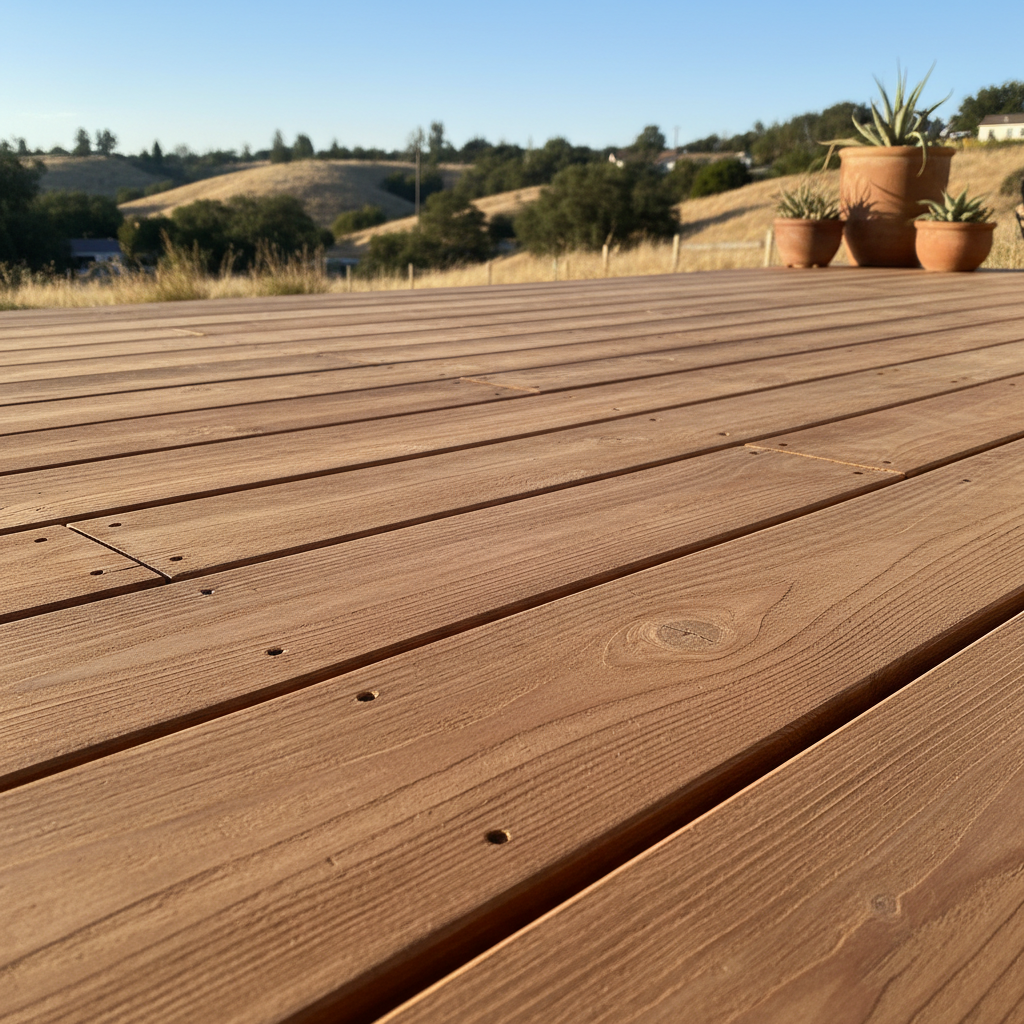
Before You Even Think About Lumber
So, you're dreaming of a new deck out back. Maybe you want a nice spot for the BBQ, or a place to relax with a cold drink when that Fresno summer heat finally breaks. That's great! But before you start sketching designs or looking at wood, there are a few things you absolutely have to get straight.
First off, permits. Don't skip this. I've seen folks try to cut corners, and it always bites them later. The City of Fresno Building and Safety Department has specific requirements, and they're there for a reason – safety. You'll need plans, sometimes engineered, especially for anything complex or elevated. They'll want to see things like foundation details, railing heights, and how it attaches to your house. This isn't just red tape; it's about making sure your deck is safe and up to code. A good contractor, like us at Fresno Deck Builders, handles all this permit stuff, but if you're going it alone, it's your first big hurdle.
Next, think about your yard. What's the sun exposure like? Do you get a lot of afternoon sun baking down, especially in July and August? You might want to consider a pergola or some shade structure built right into the design. What about drainage? We get some heavy rains sometimes, and you don't want water pooling under your deck, attracting termites or damaging your house's foundation. Also, consider the soil. Around here, especially in some of the older neighborhoods like the Tower District, you can hit some surprisingly hardpan or even old fill dirt, which affects your footings. You need solid footings, plain and simple.
During the Build: DIY or Call a Pro?
This is where a lot of homeowners get stuck. What can you realistically do yourself, and when should you absolutely call in the cavalry? Look, I'm all for saving a buck and getting your hands dirty, but deck building isn't just slapping some boards together. There's a lot of structural integrity involved.
- Demolition: If you're replacing an old deck, tearing it down is usually something most able-bodied folks can handle. Just be careful, wear proper gear, and make sure you have a plan for disposal.
- Footings: This is critical. Digging holes, pouring concrete – that's doable for many. But getting the depth right, making sure they're square, level, and properly spaced for your joist spans? That takes precision. If your footings are off, your whole deck will be off.
- Framing: This is where I'd say most DIYers hit their limit. Cutting joists, beams, and ledger boards accurately, making sure everything is plumb, level, and square, attaching it securely to your house – this is skilled work. A mistake here isn't just cosmetic; it's a safety issue. You're dealing with structural loads. If you're not confident with a circular saw, a level, and understanding structural engineering basics, this is where you call someone like Fresno Deck Builders.
- Decking & Railings: Laying the deck boards themselves? Many homeowners can tackle this. It's repetitive, but satisfying. Just make sure your spacing is consistent and your fasteners are appropriate for your material. Railings are a bit trickier. They have specific height requirements and must be able to withstand certain forces. If you're doing a complex railing system, or anything beyond basic pickets, consider professional help.
Remember, a deck isn't just a platform; it's an extension of your home. It needs to be built right to last and to be safe for your family and friends.
After the Last Nail is Driven
Okay, the deck's built, inspections passed, and you're ready to enjoy it. But the work isn't totally over. Maintenance is key, especially with our climate. The sun here can be brutal on wood. You'll want to clean and seal or stain your deck regularly. How often depends on the material you chose. Composite decks are lower maintenance, but still need cleaning. Wood decks, especially redwood or pressure-treated pine, will need more attention – usually every year or two, depending on exposure.
Keep an eye out for loose fasteners, splintering wood, or any signs of rot or insect damage. Termites are a thing here, so regular checks are a good idea. If you see anything concerning, address it quickly. A small repair now can prevent a big, expensive problem later. Enjoy your new outdoor space; you earned it!